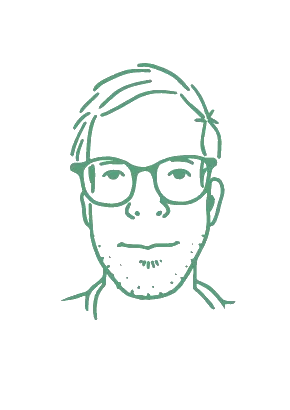
Most visitors see Amsterdam from the busiest streets. I like to walk one canal further, into the streets where people actually live. Kids on their way to school, a baker who knows every regular by name, laundry drying behind a window that has not changed in fifty years. We take our time here. I show you how a neighborhood is built, why the houses lean the way they do, and what changed in the last twenty years. You leave with the feeling of having visited a place, not a postcard.
Threads to follow
Amsterdam experience inspiration. What draws you in?
Some ideas to inspire your journey
In the seventeenth century Amsterdam was rich, curious and restless. That is the world Rembrandt painted in, and you can still walk through it. The houses of the merchants, the streets where his studio stood, the light he chased in every portrait. We look at the paintings together, but we also look at what is behind them. Who paid for them, who is missing from them, and what that century cost. It makes the Rijksmuseum feel like a story instead of a checklist.
Dutch food has a reputation it does not deserve. Start at a market in the morning, taste cheese that was made a few kilometers outside the city, herring the way locals eat it, a stroopwafel pressed while you wait, and you will understand quickly. Amsterdam is also an immigrant city, so the food map runs from Surinamese roti to Indonesian rijsttafel to Turkish bakeries. I take you to places I actually eat myself, not the ones with the biggest sign.
When the day trippers leave, the city softens. The brown cafés fill up, the light on the canals turns gold, and conversations get longer. This is the Amsterdam I love most. An evening like this is not a schedule. It is a drink at a bar that has been serving for two hundred years, a walk over a bridge with nobody on it, and a small restaurant where the owner cooks what the market had that morning.
Amsterdam was built for boats, so the canals show you the city the way it was designed to be seen. From the water the houses are taller, the bridges are lower, and the whole rhythm slows down. I arrange a private boat with a skipper, not a crowded tour vessel. Bring a picnic, a bottle of wine, and a few hours. It is often the part of the day people remember longest.
Amsterdam is a museum you walk through without a ticket. Medieval wooden houses, seventeenth century canal palaces, Amsterdam School brickwork, and bold new buildings on the eastern islands, all within one afternoon. I show you what to look at: the hoisting beams, the gable stones, the small details that tell you who lived there and what they traded. Once you see them you cannot unsee them.
Amsterdam turned 750 years old, and almost every one of those centuries left something behind. A dam in a river, a trading empire, a refuge for people with the wrong religion, a war, a rebuilding, a city that keeps reinventing itself. I tell that history the way I would tell it to a friend, with the people in front and the dates behind. No lectures, just stories you can still stand inside.
Van Gogh painted for barely ten years and changed how we look at everything. In the Van Gogh Museum you can follow that decade almost month by month, from the dark potato eaters to the wheat fields that burn with color. If you have more time, the Kröller-Müller Museum in the middle of a national park holds another great part of his work. We can make a full day of it, with a bike ride through the woods included.
In Amsterdam the bicycle is not a sport, it is how you get to work, to school and to dinner. Riding along means you cover more ground and you stop being a spectator. We ride at a calm pace, on quiet routes, with stops whenever something is worth stopping for. If you are unsure about traffic, we practice first in a park until it feels natural.
For centuries Amsterdam was a place where Jewish life could flourish, and then it became the city where most of that life was destroyed. Both parts belong to the story, and both are still visible in the streets. We visit the Jewish quarter, the memorials and, if you wish, the Anne Frank House or the Hollandsche Schouwburg. It is a quiet, careful day, and I give you the space it deserves.
The art here does not stop at the museum doors. Small galleries, artist studios in former shipyards, antique dealers who love to talk, murals on the side of an apartment block. We follow whatever you are drawn to, from contemporary photography to street art in Noord. I know the people behind many of these doors, which usually makes for a better conversation.
Behind the canal houses lie gardens almost nobody sees from the street. Add the Hortus Botanicus, the hidden courtyards and the big parks, and Amsterdam is far greener than it looks on a map. This is a gentle day with benches, coffee and shade. Perfect if you want beauty without a long walk, or if you simply need the city to slow down for a few hours.
Some of the best moments of a day here happen sitting down. A bench on a bridge, a terrace on a square that tourists walk past, a courtyard where the noise of the city disappears completely. I build these pauses into every day on purpose. They are where the conversations happen, and where you start to feel the city instead of only seeing it.
Half of this country would be under water without the work of engineers, and that fact shapes everything: the landscape, the cities, even the way the Dutch make decisions together. We look at dikes, pumping stations, windmills and modern storm barriers, and I explain how it all fits together. It sounds technical, but it is really a story about a country that refused to move.
Half an hour outside Amsterdam the horizon opens up. Meadows, cows, drawbridges, wooden houses in green and white, and villages where nothing needs to hurry. We visit farms, small harbors and windmills that still work, and stop wherever the light is good. It is the best way to understand where the city gets its food, its wealth and its calm.
From late March into May the fields south of Amsterdam turn into stripes of red, yellow and pink. Keukenhof is the famous stop, and it is worth it, but the fields themselves are the real spectacle. Timing matters a lot in this season, so I follow the bloom closely and plan the day around where the flowers actually are, and around the hours when it is quietest.
Haarlem is fifteen minutes by train and feels a century calmer. A great market square, a cathedral with the organ Mozart played, and the Frans Hals Museum with its extraordinary portraits. The real pleasure is the hofjes, small almshouse courtyards hidden behind unmarked doors. I know which ones you can enter and when.
Leiden is a student city with canals, a windmill in the middle of town and the oldest university in the country. Rembrandt was born here, and the Pilgrims lived here for years before sailing to America. For American visitors especially, this is often the most surprising day of the trip. The Pilgrim story is told here in a detail you rarely find at home.
Rotterdam lost its center in a single night in 1940 and decided to build something entirely new. The result is the boldest skyline in the Netherlands and a city that never stopped experimenting. We walk the market hall, the cube houses and the harbor, and I explain why this city thinks so differently from Amsterdam. It is a great contrast to add to your trip.
The Hague is where the country is governed and where the Mauritshuis keeps Vermeer's Girl with a Pearl Earring. Delft, a few minutes away, is where Vermeer lived and where the blue porcelain is still painted by hand. Together they make one very full, very rewarding day: royal palaces, world famous paintings, and a small canal city that has barely changed since the seventeenth century.
when you're ready…
Pick a few that speak to you, then let's talk about building your perfect day.
– Get in Touch –
Let's See if We're a Good Match
Send me a message through the contact form or WhatsApp, and I’ll get back to you within 24 hours. If it feels right, we can take the next step with a video call. No pressure, no obligations, just a chance to get to know each other.
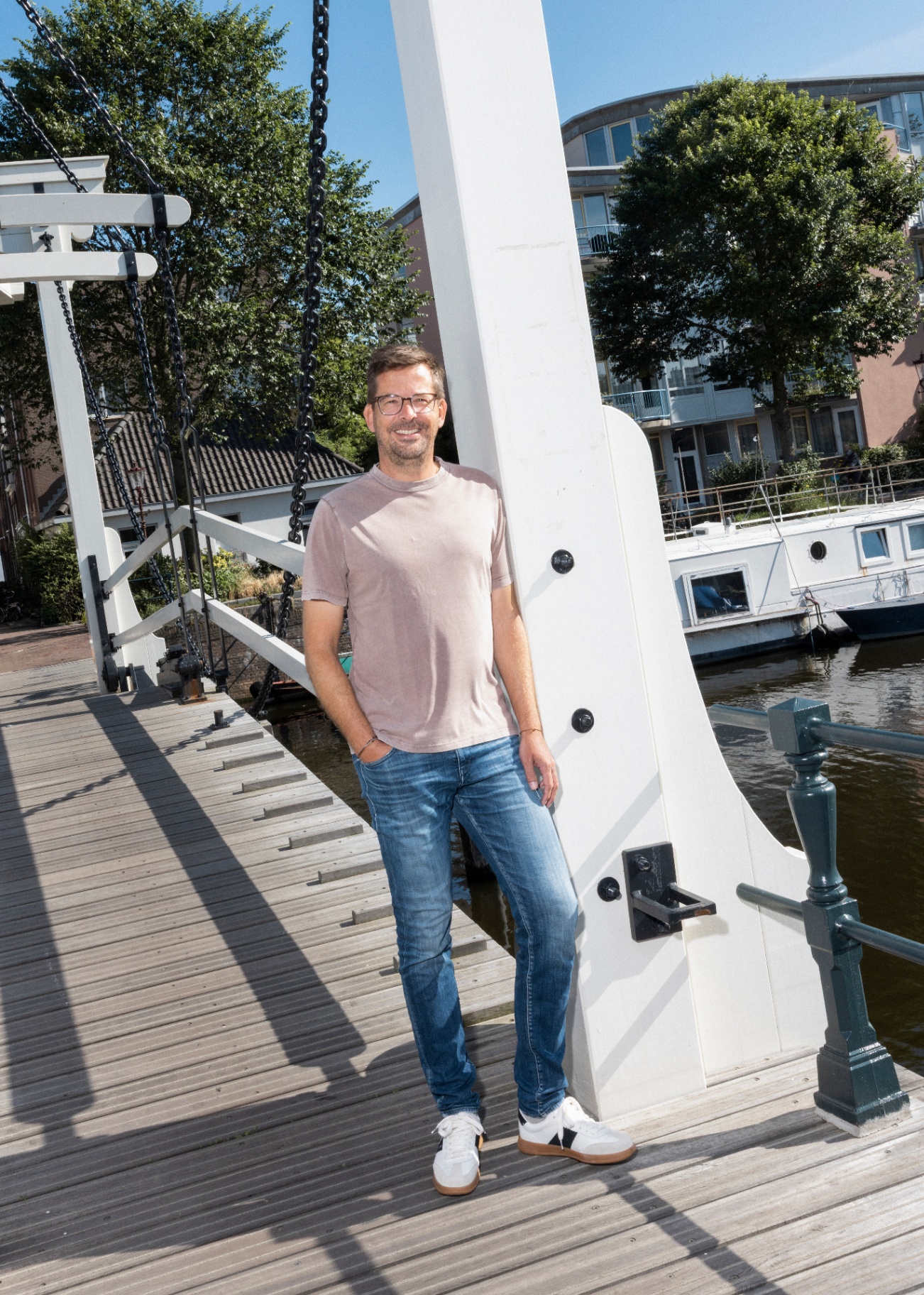
Let’s Connect
Leave your contact details and tell me a little about yourself and the experience you're hoping for.